
Connect With Us

Connect With Us

Build Your Child’s Coding Skills with Interactive Coding Classes

Looking for engaging coding classes in Australia for your child? Kiya Learning offers structured coding programs designed to help students develop programming skills, logical thinking, creativity, and problem-solving abilities.

Our coding classes introduce students to programming concepts in a simple, engaging, and progressive way. From block-based coding and game development to JavaScript, Python, website development, and data structures, students can build their skills step by step.

Whether your child is completely new to coding or ready to explore more advanced programming concepts, Kiya Learning provides a structured learning path to help them progress with confidence.

Benefits of coding!

Why Should Children Learn Coding?

Coding is more than learning how to write computer programs. It encourages children to think logically, break complex problems into smaller steps, experiment with ideas, and create their own digital projects.

Learning coding can help children develop:

  • Problem-solving skills
  • Logical and computational thinking
  • Creativity and innovation
  • Analytical thinking
  • Digital skills
  • Confidence with technology
  • Project-building skills
  • Understanding of algorithms and programming concepts

Coding can also encourage children to become creators rather than simply users of technology.

Give your child the opportunity to embark on an exciting coding journey with the exclusive benefits offered by Kiya Learning

Rising coding star

32 classes

Certification at Each level

Coding Champion

48 classes

Certification at Each level

Coding Prodigy

64 Classes

Certification at Each level

What are the reasons for children to acquire coding skills

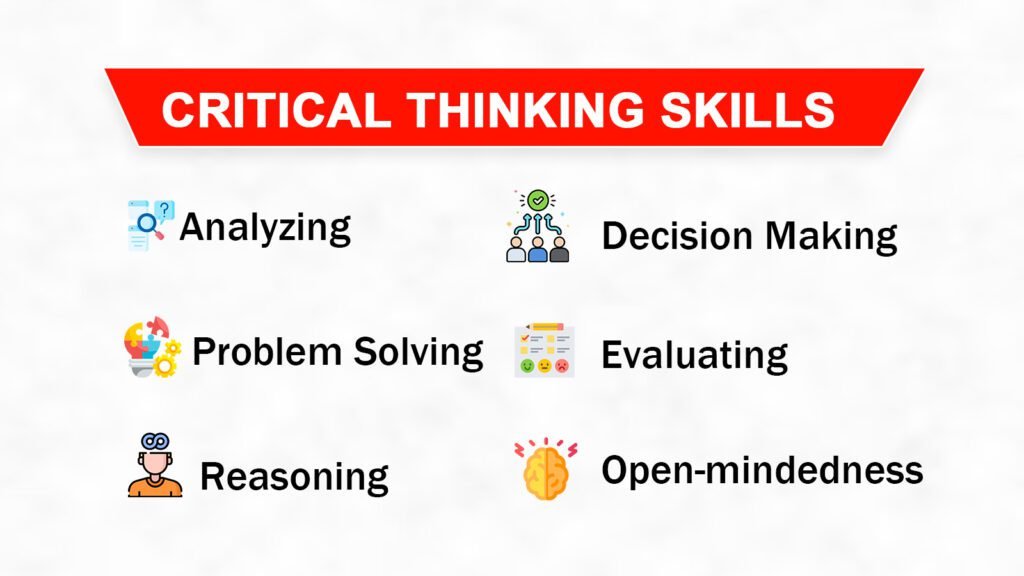
Problem-Solving Skills

Coding teaches children how to break complex problems into smaller, manageable steps. By learning to approach challenges logically and systematically, children develop strong analytical and critical-thinking abilities. These skills help them understand problems, identify effective solutions, and make better decisions. Beyond coding, problem-solving skills are useful in school, everyday situations, and future careers, helping children become more confident, creative, and capable of handling challenges independently.

Logic and Critical Thinking

Learning to code helps children develop logical thinking and understand cause-and-effect relationships. It encourages them to think critically, solve problems creatively, and approach challenges in a structured and systematic way. Through coding, children learn how to break complex problems into smaller steps, make informed decisions, identify mistakes, and develop effective solutions with greater confidence and persistence.

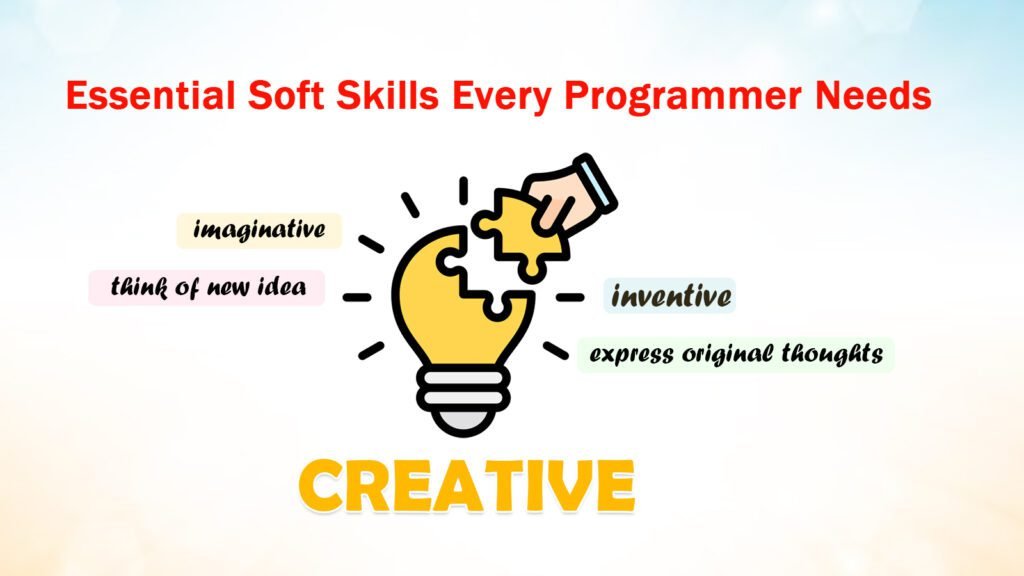
Creativity and Innovation

Coding empowers children to turn their ideas into digital creations, including games, websites, and apps. By building their own projects, children develop creativity, problem-solving skills, and confidence while exploring technology. It also provides an exciting way to express their unique ideas, experiment with new concepts, and bring innovative solutions to life through hands-on learning and practical experience.

What Will Your Child Learn in Coding Classes?

Programming Fundamentals

Students begin with core concepts such as sequencing, variables, operators, loops, conditions, and algorithms.

Game Development

Students can explore game development concepts and create interactive projects using tools such as Play Lab and Sprite Lab.

App Development

As students progress, they can learn the fundamentals of creating interactive applications using App Lab.
JavaScript

Students at higher levels are introduced to JavaScript concepts and gradually develop their understanding of programming logic.

Python Programming

The advanced program introduces Python programming, including object-oriented programming, file handling, and GUI development using Tkinter.

Website Development

Students can explore the fundamentals of website development and understand how websites are structured and created.

Data Structures and Algorithms

Advanced learners are introduced to data structures and algorithms, helping them understand how programming solutions can be organised and developed efficiently.

Benefits of Coding Classes for Kids

Develop Problem-Solving Skills

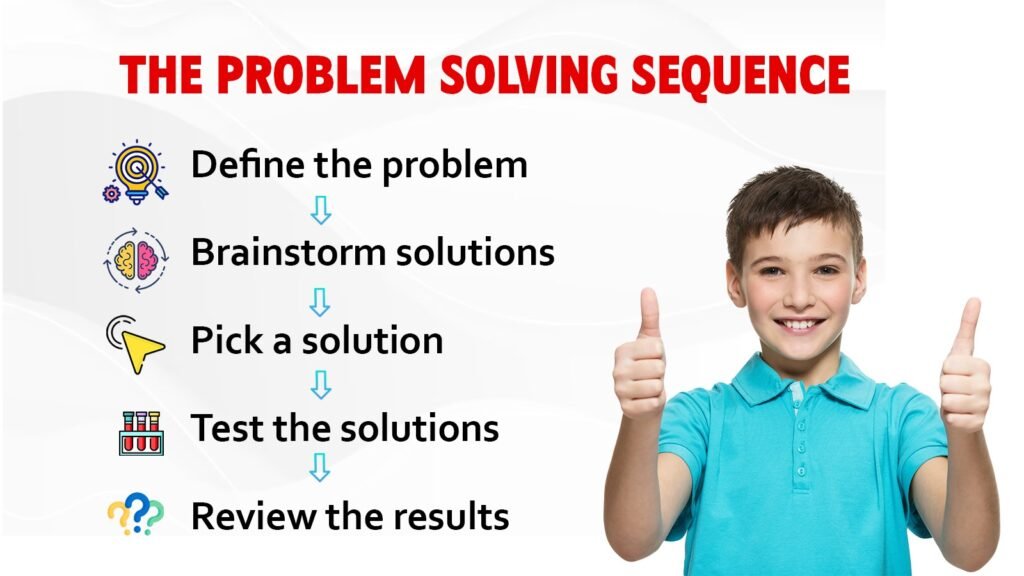
Coding teaches children to break larger problems into smaller, manageable steps. This approach can help them develop a structured way of thinking when solving challenges.

Strengthen Logical Thinking

Programming requires students to understand relationships between instructions, conditions, and outcomes. This encourages logical and computational thinking.

Encourage Creativity

Coding gives children an opportunity to turn their ideas into digital projects such as games, animations, websites, and applications.

Build Confidence With Technology

As students create and experiment with their own projects, they can become more comfortable working with technology and digital tools.

Learn Through Practical Projects

Practical projects can make programming concepts easier to understand by allowing students to apply what they learn.

Develop Future-Ready Digital Skills

Programming and digital literacy are valuable skills in an increasingly technology-driven world. Early exposure can help students develop a stronger foundation for future learning.

Why Choose Kiya Learning for Coding?

Kiya Learning focuses on making learning engaging, structured, and accessible for students.

Our coding programs offer:

Structured learning levels
Progressive coding concepts
Practical digital projects
Beginner-to-advanced learning pathways
Exposure to multiple programming concepts
Opportunities to develop creative and analytical skills
Certification at each level

The goal is to help students understand coding concepts while encouraging them to experiment, create, and solve problems.

Frequently Asked Questions About Coding Classes

Coding classes for kids introduce children to programming concepts such as algorithms, sequencing, loops, variables, conditions, and problem-solving through age-appropriate learning activities and projects.

Children can begin learning coding when they are ready to understand basic instructions, sequences, and logical concepts. The appropriate starting level depends on the child’s age, experience, and learning ability.

Coding can seem challenging at first, but structured lessons and practical activities can make programming concepts easier to understand. Starting with basic concepts allows students to gradually build their skills.

Depending on the program level, students can be introduced to block-based coding, JavaScript, and Python, along with website development and other programming concepts.

Yes. The Rising Coding Star program includes game development using Play Lab and animation using Sprite Lab.